
Preserve Memories with VHS to Digital Conversion
In today’s fast-paced digital world, many of us have boxes of old VHS tapes tucked away in cupboards or attics. These tapes hold precious memories - family holidays, birthday parties, weddings, and other special moments. However, VHS tapes degrade over time, and the equipment to play them is becoming scarce. The best way to safeguard these memories is through VHS to digital conversion. This process transforms your old tapes into modern digital files, making them easier to store, share, and enjoy for years to come.
Why Choose VHS to Digital Conversion?
VHS tapes were once the standard for home video recording, but they have several limitations. Over time, tapes can become damaged, lose quality, or even stop working altogether. Digital files, on the other hand, are more durable and versatile. Here are some key benefits of converting VHS tapes to digital:
Preservation of quality: Digital files do not degrade with each viewing, unlike VHS tapes.
Easy sharing: Digital videos can be shared instantly with family and friends via email or social media.
Convenient storage: Digital files take up less physical space and can be stored on USB drives, DVDs, or cloud services.
Editing possibilities: Once digitised, videos can be edited, enhanced, or combined with other media.
Compatibility: Digital formats work on modern devices such as smartphones, tablets, and smart TVs.
By converting your tapes, you ensure that your cherished memories remain accessible and safe from damage.

How Does VHS to Digital Conversion Work?
The process of converting VHS tapes to digital involves several steps. Understanding these can help you choose the right service or equipment for your needs.
Playback: The VHS tape is played on a VCR (Video Cassette Recorder).
Capture: The video signal is captured using a video capture device connected to a computer or standalone converter.
Encoding: The captured video is encoded into a digital format such as MP4, AVI, or MOV.
Storage: The digital file is saved onto a USB drive, DVD, or uploaded to cloud storage.
Optional editing: Some services offer video editing to improve quality, add titles, or remove unwanted sections.
Many people opt for professional vhs tape conversion service providers to ensure high-quality results and avoid the hassle of doing it themselves. These services often include cleaning the tapes, repairing minor damage, and optimising the digital output.

Creative Ways to Use Your Digitised Videos
Once your VHS tapes are converted to digital, the possibilities for using your videos are endless. Here are some ideas to make the most of your newly preserved memories:
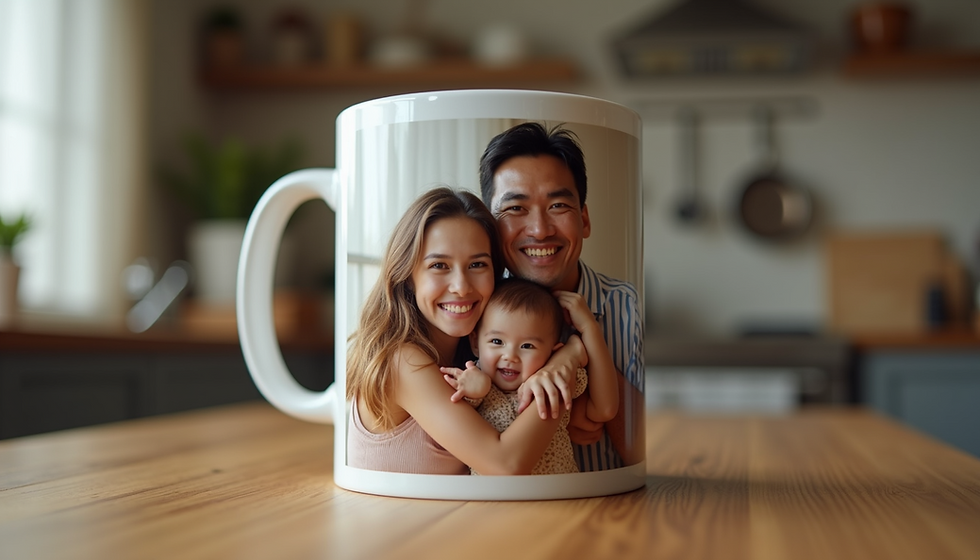
Create personalised gifts: Use clips to make custom photo gifts like mugs, coasters, or slates featuring stills or scenes from your videos.
Compile family documentaries: Edit together highlights from different tapes to create a family history video.
Share with loved ones: Send digital copies to relatives who may not have access to the original tapes.
Use in customised workwear: Incorporate images or logos inspired by your videos into personalised clothing or uniforms using vinyl or DTF printing.
Host movie nights: Watch your digitised videos on modern devices with friends and family.
Digitising your tapes opens up creative opportunities to celebrate and share your memories in new and meaningful ways.
Keeping Your Memories Safe for the Future
Preserving your memories is about more than just converting tapes. It’s also important to store your digital files safely to prevent loss or damage. Here are some best practices:
Back up your files: Keep copies on multiple devices or cloud storage.
Label files clearly: Use descriptive file names and organise videos into folders.
Use reliable storage media: Choose high-quality USB drives or DVDs designed for long-term storage.
Update formats as needed: Technology changes, so consider converting files to new formats every few years.
Keep original tapes: Store them in a cool, dry place away from magnetic fields as a backup.
By taking these steps, you can ensure your memories remain intact and accessible for generations to come.
Preserving your precious memories through VHS to digital conversion is a smart and meaningful investment. Whether you want to relive old moments, create personalised gifts, or simply protect your family history, converting your tapes is the first step. With the right service and storage, your memories will stay vibrant and alive for many years ahead.


Comments